 Web3
Web3
The Path to Web3 Adoption: Overcoming Barriers & Building User Experience
Web3 Mainstream Adoption Web3 adoption requires improved user experience and education. Explore current barriers, emerging solutions, and the path toward...
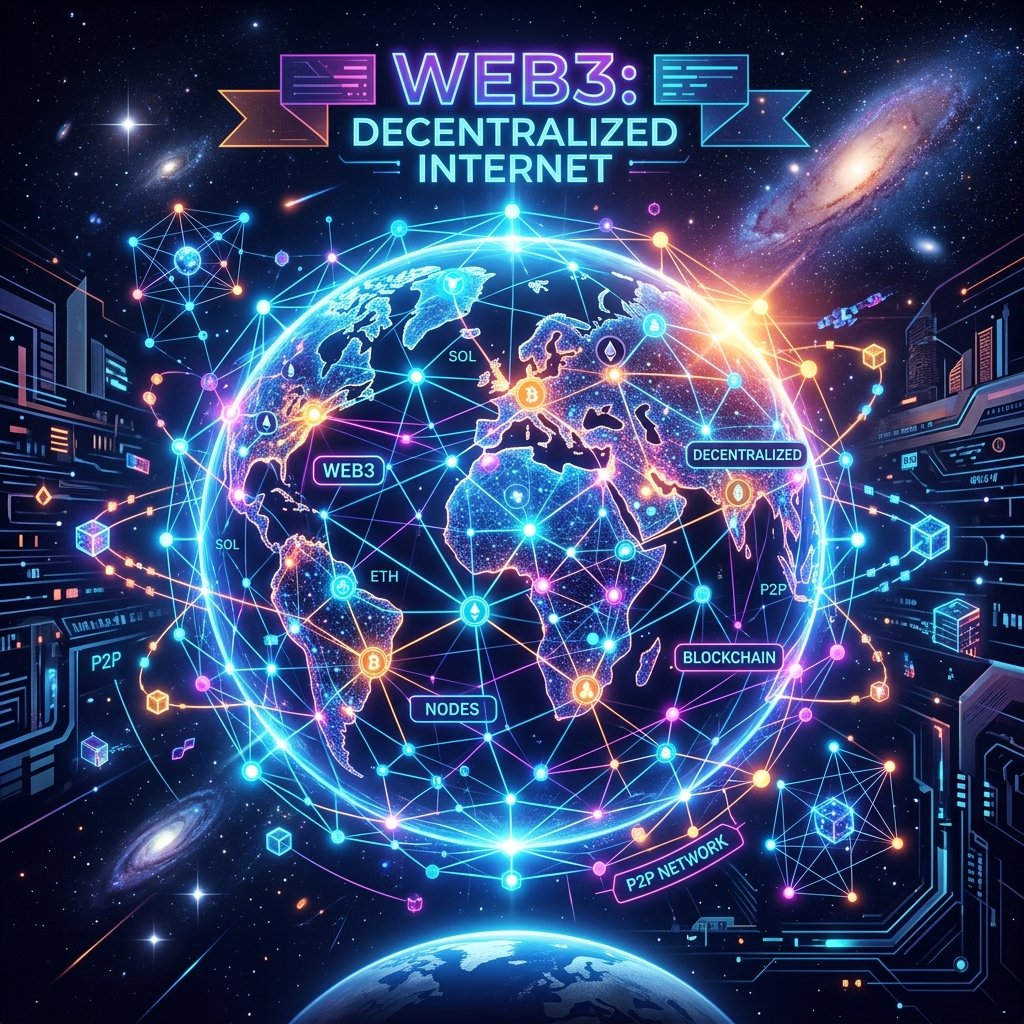
The internet is undergoing a monumental architectural shift, moving from the centralized platforms of Web2 to the decentralized, user-centric vision of Web3. Having the Web3 future explained is essential for understanding how the next generation of digital interaction will function. While Web1 allowed us to ‘read’ static pages and Web2 enabled us to ‘read and write’ via interactive social platforms controlled by tech giants, Web3 introduces a critical new dimension: the ability to ‘read, write, and own.’ This paradigm shift is driven by blockchain technology, which replaces centralized servers with distributed networks, fundamentally altering how data is stored, managed, and monetized. This article delves into the core tenets of Web3 and how it promises to reshape our digital lives.
At the heart of the Web3 philosophy is the concept of data sovereignty. In the current Web2 model, users generate immense value through their data and content, but that value is captured almost entirely by the platforms that host them. Web3 seeks to dismantle this monopoly by giving users cryptographic ownership of their digital assets and identities. Through the use of cryptocurrency wallets and non-fungible tokens (NFTs), users hold the private keys to their data. This means a creator truly owns their digital art, a gamer owns their in-game items, and an individual controls who has access to their personal information. This shift transfers power and economic value back to the creators and users who actually generate the content.
Web3 also revolutionizes how organizations are structured and governed through the advent of Decentralized Autonomous Organizations (DAOs). DAOs are internet-native entities with no central leadership; instead, rules are encoded as smart contracts on a blockchain, and decisions are made collaboratively by the community of token holders. This democratic structure allows groups of people worldwide to pool capital, manage resources, and work towards a common goal with complete transparency. DAOs are being utilized to manage decentralized finance protocols, fund public goods, operate investment clubs, and even govern digital communities. By eliminating traditional corporate hierarchies, DAOs offer a more equitable and transparent model for collective action.
The engine that powers the Web3 ecosystem is ‘tokenomics’—the design of economic incentives using digital tokens. In Web3 applications (dApps), tokens are used to align the interests of developers, users, and investors. Unlike Web2 platforms that rely on ad-based revenue models, Web3 projects often reward users with native tokens for their participation, whether it’s providing liquidity to a protocol, contributing storage space, or curating content. This ownership economy incentivizes early adoption and active contribution, as users essentially become stakeholders in the network’s success. However, designing sustainable tokenomics is a complex challenge, as projects must balance inflation, utility, and long-term value accrual to avoid speculative bubbles.
Despite its immense promise, the Web3 vision faces significant hurdles before achieving mass adoption. The user experience (UX) currently remains overly complex for the average internet user, requiring the management of cryptographic keys, seed phrases, and gas fees. Security is also a paramount concern; while blockchains themselves are highly secure, the smart contracts built upon them are susceptible to bugs and exploits, leading to substantial financial losses. Furthermore, the regulatory environment for Web3 tokens and DAOs remains highly uncertain, creating friction for builders and investors. Overcoming these UX, security, and regulatory challenges is the primary focus of the industry as it strives to bring the benefits of decentralization to a global audience.
The Metaverse refers to immersive, 3D virtual environments, while Web3 is the underlying decentralized architecture and economic model. Web3 provides the ownership layer (via NFTs and crypto) that makes a truly open and interoperable Metaverse possible.
Currently, yes. Cryptocurrencies are essential for interacting with Web3 protocols, whether it’s to pay network transaction fees (gas) or to utilize the native tokens required by specific decentralized applications.
While the space experiences significant hype and speculation, the underlying technological shift towards decentralized data ownership and smart contract automation represents a genuine, structural change in how internet infrastructure operates.
In conclusion, having the Web3 future explained reveals a profound reimagining of the internet’s architecture and power dynamics. By leveraging blockchain technology to prioritize user ownership, data sovereignty, and decentralized governance, Web3 aims to correct the monopolistic tendencies of the current Web2 era. While significant challenges regarding user experience, security, and regulation remain, the momentum behind this decentralized movement is undeniable. As infrastructure improves and applications become more intuitive, Web3 has the potential to foster a more equitable, transparent, and user-centric digital economy, fundamentally changing how we interact, transact, and organize society online.
Web3
Web3 Mainstream Adoption Web3 adoption requires improved user experience and education. Explore current barriers, emerging solutions, and the path toward...
 Web3
Web3
Data Sovereignty in Web3 Web3 returns data ownership to individuals. Explore how users can monetize data, maintain privacy, and control...
 Web3
Web3
Gaming in Web3 Web3 gaming enables player ownership, play-to-earn models, and persistent virtual economies. Explore the gaming metaverse and emerging...