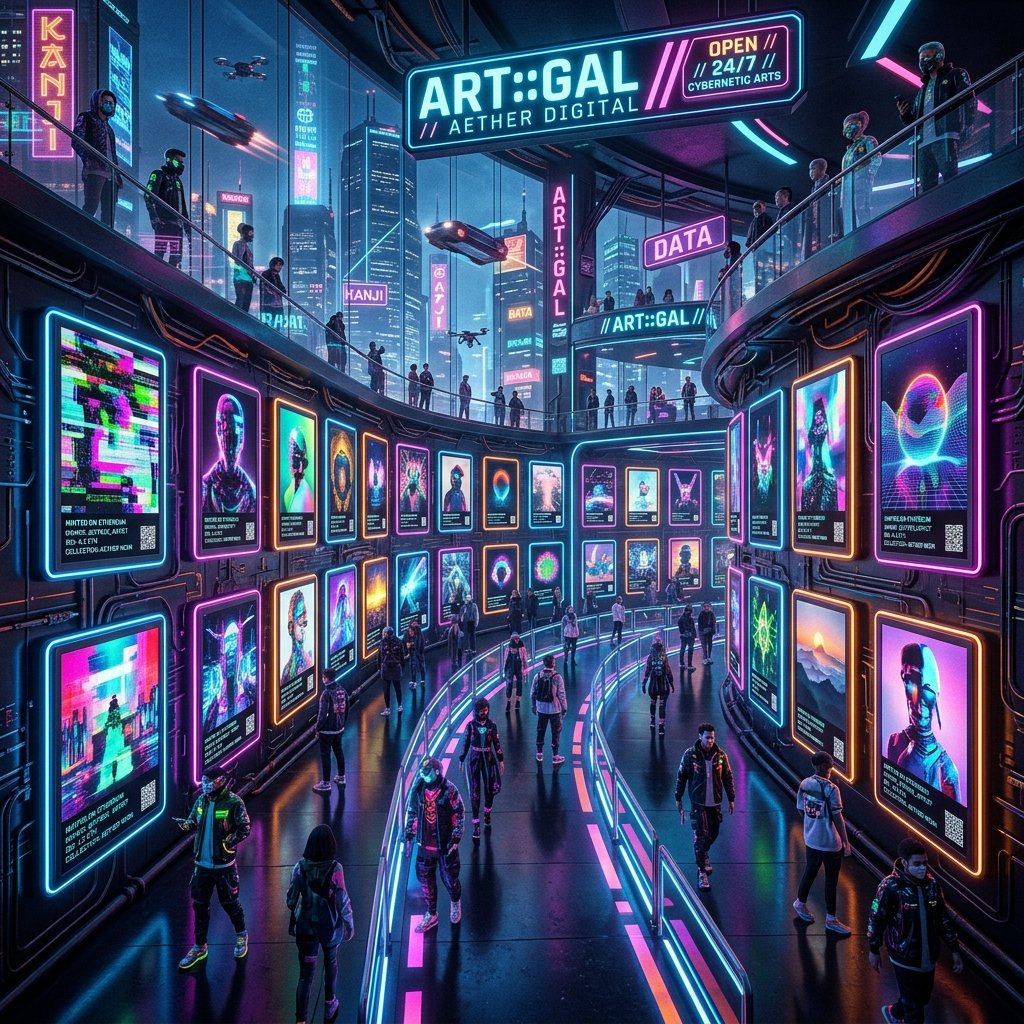
NFT Market Overview: Beyond the Digital Art Hype
The Maturation of Non-Fungible Tokens
The narrative surrounding Non-Fungible Tokens has shifted dramatically since the speculative frenzy of the previous market cycle. This comprehensive NFT market overview explores the sector’s evolution from high-priced digital profile pictures (PFPs) to sophisticated instruments of digital ownership and utility. While the initial explosion of interest brought NFTs into the mainstream consciousness, the subsequent market correction forced the industry to mature. Today, builders are focused on creating sustainable, long-term value by integrating NFTs into complex ecosystems, ranging from immersive gaming and decentralized finance (DeFi) to the tokenization of real-world assets. The current market is defined by a flight to quality, where utility and community outstrip pure speculation.
The Evolution of Digital Identity and Communities
Despite the broader market cooling, top-tier PFP collections continue to command significant value, having successfully transitioned into powerful brands and exclusive digital clubs. Projects like Bored Ape Yacht Club (BAYC) and CryptoPunks are no longer just images; they serve as digital identities and decentralized community memberships. Holding one of these premier NFTs often grants access to exclusive real-world events, intellectual property (IP) rights, and private networking opportunities. This model of community building is expanding, with brands leveraging NFTs as next-generation loyalty programs, fostering deeper, more engaging relationships with their customer base through token-gated access and exclusive rewards.
Web3 Gaming: The Next Frontier
Perhaps the most significant driver of ongoing NFT adoption is the Web3 gaming sector. Traditional gaming models heavily restrict true ownership of in-game assets; players spend thousands of hours and dollars accumulating items that remain the property of the game developer. NFTs solve this by allowing in-game assets—weapons, skins, land, and characters—to be tokenized on the blockchain. This grants players true ownership, enabling them to trade, sell, or rent their assets on secondary markets. As major gaming studios begin to release high-quality, AAA-level blockchain games, the integration of NFTs is becoming seamless and fundamental to the gameplay loop, potentially onboarding millions of traditional gamers into the Web3 ecosystem.
Utility NFTs and Financialization (NFT-Fi)
The concept of utility NFTs has expanded far beyond gaming and art. We are seeing NFTs representing everything from domain names (like Ethereum Name Service, ENS) and concert tickets to software licenses and music royalties. Furthermore, the financialization of NFTs—often referred to as NFT-Fi—is a rapidly growing sub-sector. Protocols are developing advanced financial primitives that allow users to utilize their NFTs as productive assets. This includes NFT-collateralized lending platforms, where users can borrow fungible tokens against the value of their high-tier NFTs, and fractionalization protocols that divide ownership of expensive NFTs into affordable, tradable shares, increasing overall market liquidity.
Tokenization of Real-World Assets (RWA)
- Real Estate: NFTs are being used to represent fractional ownership in physical real estate properties, lowering the barrier to entry for investment and providing global liquidity to traditionally illiquid markets.
- Luxury Goods: High-end brands are utilizing NFTs as digital certificates of authenticity ‘digital twins’ that accompany physical products, proving provenance and combating counterfeiting.
- Financial Instruments: Traditional financial instruments, such as bonds or carbon credits, are being tokenized as NFTs to improve settlement times and market transparency.
Infrastructure and Scalability Improvements
A critical factor enabling the current expansion of the NFT market is the significant improvement in blockchain infrastructure. During the initial boom, the Ethereum mainnet struggled with exorbitant gas fees, pricing out many users. Today, the proliferation of Layer-2 scaling solutions (like Arbitrum and Optimism) and low-cost alternative Layer-1s (like Solana and Polygon) has drastically reduced the cost of minting and trading NFTs. This scalability is essential for high-volume use cases like gaming and micro-transactions, ensuring that the technology is accessible and economically viable for a global user base.
Frequently Asked Questions (FAQ)
Are NFTs dead?
No, the NFT market is not dead, but the era of unchecked speculation on low-effort art has largely ended. The market is maturing, focusing instead on NFTs that offer genuine utility, access, integration into gaming, or representation of real-world value.
What is the difference between an NFT and a cryptocurrency?
Cryptocurrencies like Bitcoin are ‘fungible,’ meaning every Bitcoin is identical and mutually interchangeable. Non-Fungible Tokens (NFTs) are unique cryptographic assets; no two are exactly alike, making them ideal for representing ownership of specific, distinct digital or physical items.
Where are NFT images actually stored?
To save on high blockchain storage costs, the actual image file of an NFT is rarely stored directly on the blockchain. Instead, the smart contract contains a metadata link pointing to the image’s location, usually hosted on a decentralized storage network like IPFS or Arweave to ensure permanence.
Conclusion
In conclusion, a contemporary NFT market overview reveals an industry transitioning from a speculative bubble into a foundational technology for digital ownership. The underlying mechanics of verifiable digital scarcity are proving immensely valuable across diverse sectors. As Web3 gaming matures, utility-driven NFTs become more prevalent, and the tokenization of real-world assets accelerates, NFTs are poised to reshape digital commerce and identity. While market fluctuations will continue, the underlying technological trend points toward deeper integration of NFTs into our daily digital interactions. The future belongs not to static images, but to dynamic tokens that unlock new economic paradigms and redefine what it means to truly own something on the internet.