While Bitcoin and Ethereum undeniably dominate the headlines, the most significant percentage gains in the cryptocurrency market are often found deeper within the ecosystem. Identifying the best altcoins to watch requires sifting through thousands of projects to find those with genuine utility, active developer communities, and strong tokenomics. As we progress through 2026, the altcoin landscape is incredibly diverse, encompassing everything from high-performance Layer-1 blockchains to decentralized physical infrastructure networks (DePIN) and advanced artificial intelligence integrations. This guide highlights the top crypto picks that are positioned to disrupt traditional industries and capture significant market share in the coming year.
High-Performance Layer-1 Blockchains
The battle for Layer-1 supremacy continues, with several challengers aiming to address Ethereum’s historic scalability limitations. Solana (SOL) remains a top contender, renowned for its blazing-fast transaction speeds and low costs, making it a preferred hub for high-frequency trading and retail-focused decentralized applications (dApps). Its resilient community and growing ecosystem of developers solidify its position. Similarly, newer entrants like Sui (SUI) and Aptos (APT), utilizing the Move programming language, are gaining traction due to their innovative approaches to parallel execution and robust security features. These platforms are aggressively courting developers and users, positioning themselves as serious alternatives in the smart contract space.
The Rise of DePIN and Real-World Assets (RWA)
One of the most compelling narratives in 2026 is the intersection of blockchain technology with physical infrastructure and real-world assets. Decentralized Physical Infrastructure Networks (DePIN) aim to crowdsource the creation and maintenance of infrastructure, from wireless networks to computing power. Projects like Render (RNDR), which facilitates decentralized GPU rendering, and Helium (HNT), creating decentralized wireless networks, are prime examples of this trend gaining real-world utility. Furthermore, the tokenization of Real-World Assets (RWA)—such as real estate, treasuries, and commodities—is bringing immense liquidity to traditionally illiquid markets. Protocols facilitating this transition are certainly among the best altcoins to watch as institutional capital seeks diversified yields on-chain.
AI and Blockchain Integration
The convergence of Artificial Intelligence (AI) and blockchain technology is creating a new frontier of innovation. Cryptocurrencies at this intersection are attempting to solve critical issues in AI development, such as data provenance, decentralized compute resources, and verifiable AI execution. Projects like Fetch.ai (FET) and SingularityNET (AGIX) are building decentralized platforms where autonomous AI agents can interact, exchange data, and execute complex tasks without centralized intermediaries. As AI continues to proliferate across all sectors, blockchain-based infrastructure that supports, secures, and monetizes AI development represents a massive growth opportunity for savvy investors.
Key Altcoin Sectors at a Glance
Layer-2 Solutions: Tokens native to prominent rollups (like ARB and OP) remain crucial as they manage the governance and revenue of scaling Ethereum.
Interoperability: Protocols like Chainlink (LINK) and Polkadot (DOT) are essential for cross-chain communication and secure off-chain data feeds.
Web3 Gaming: After a period of consolidation, blockchain gaming is maturing with higher quality titles. Tokens associated with gaming ecosystems and infrastructure are poised for a revival.
Assessing Risk and Reward
Investing in altcoins carries a substantially higher risk profile compared to Bitcoin or Ethereum. The market is highly susceptible to sentiment shifts, regulatory news, and the overall liquidity cycle. When evaluating the best altcoins to watch, it is paramount to look beyond the hype and analyze the project’s fundamentals. This includes scrutinizing the token distribution (tokenomics), the experience and track record of the founding team, the level of active developer engagement on platforms like GitHub, and the actual on-chain adoption metrics. A robust portfolio strategy often involves a diversified approach, allocating a smaller percentage of capital to higher-risk altcoins while maintaining core holdings in more established assets.
Frequently Asked Questions (FAQ)
What exactly is an ‘altcoin’?
The term ‘altcoin’ stands for ‘alternative coin’ and broadly refers to any cryptocurrency other than Bitcoin. Some definitions also exclude Ethereum due to its massive market cap, but generally, it encompasses the vast ecosystem of thousands of other digital assets.
How do I research an altcoin before investing?
Thorough research involves reading the project’s whitepaper, understanding the problem it aims to solve, analyzing its tokenomics (supply limits, inflation rate), checking the team’s background, and monitoring community engagement and development progress on social channels and GitHub.
Are memecoins considered good altcoin investments?
Memecoins (like Dogecoin or Shiba Inu) are highly speculative and driven primarily by internet culture and social media sentiment rather than underlying technological utility. While they can offer massive short-term gains, they are extremely volatile and carry a very high risk of total loss.
Conclusion
In summary, the search for the best altcoins to watch in 2026 is an exercise in identifying fundamental value amidst a rapidly evolving technological landscape. The most promising projects are those offering tangible solutions in scalability, real-world asset integration, decentralized infrastructure, and artificial intelligence. While the potential for outsized returns is a major draw for altcoin investors, it is crucial to employ rigorous risk management and thorough due diligence. The cryptocurrency market remains highly volatile, and success depends on a strategic, informed approach rather than chasing fleeting trends. By focusing on projects with strong utility and active development, investors can position themselves advantageously in the next phase of the digital asset revolution.
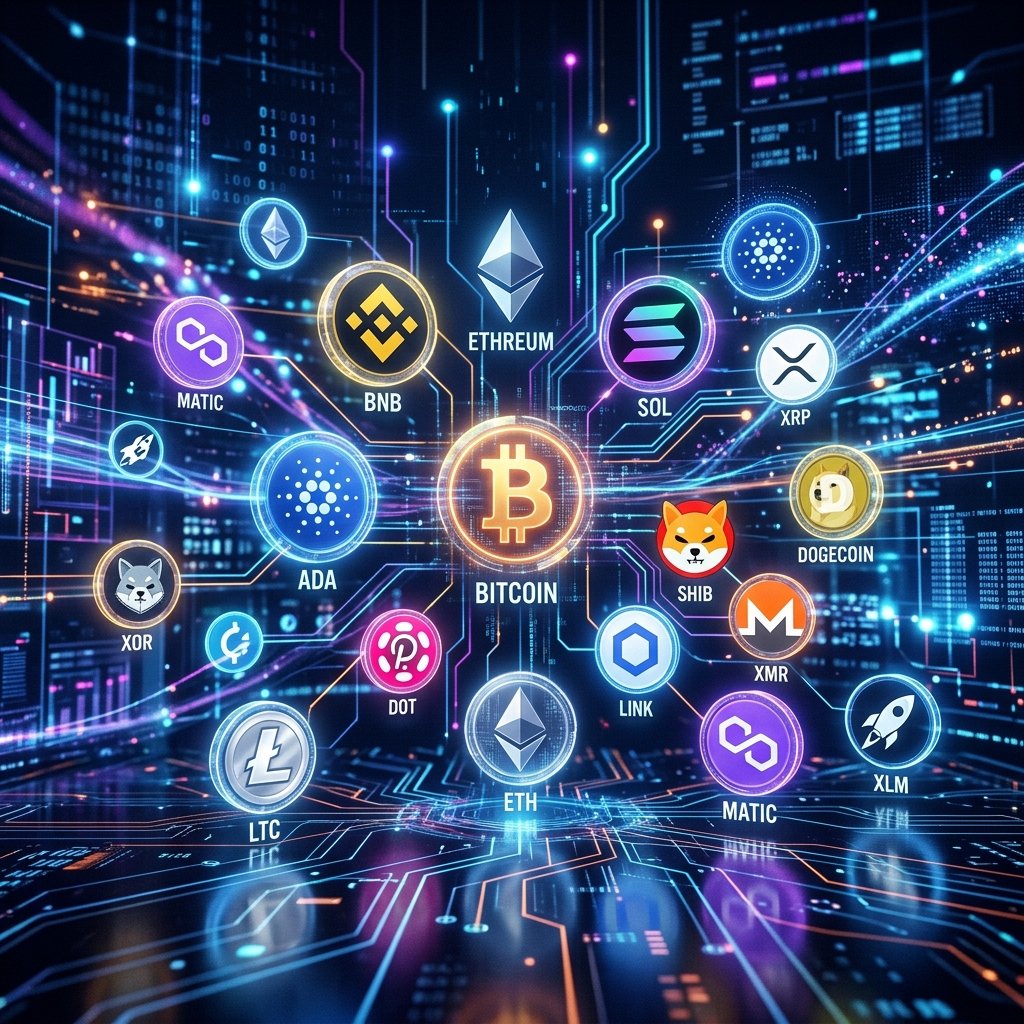
 Altcoins